Venue Soundscapes: Documented Links to Prolonged Engagement Periods in Electronic Gaming Zones
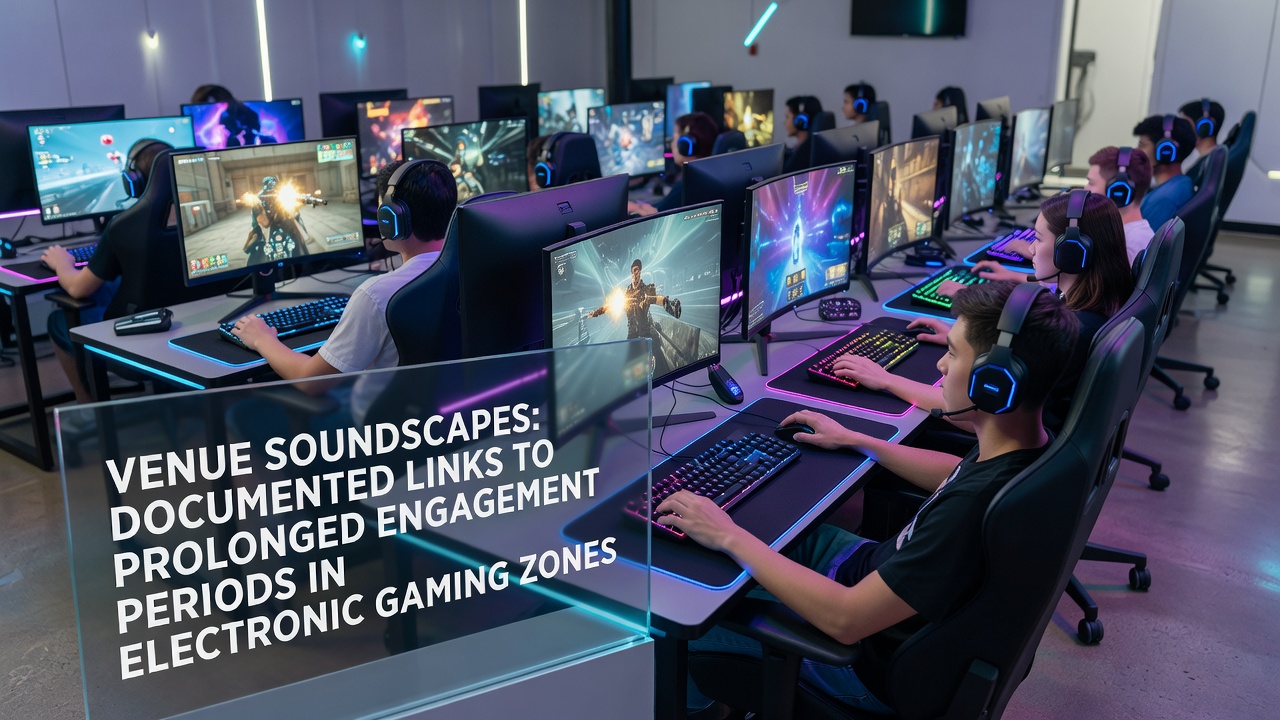
Electronic gaming zones feature carefully calibrated sound environments that combine machine alerts, background tracks, and spatial acoustics, and researchers have tracked how these elements connect to extended player sessions across multiple jurisdictions. Data from facility audits shows that venues adjust decibel levels and frequency ranges to align with peak activity hours, which in turn correlates with measurable increases in average dwell times at electronic gaming machines.
Acoustic Design Elements in Modern Gaming Areas
Sound systems in these zones incorporate layered audio that includes both localized machine chimes and overarching ambient tracks, and studies indicate that this layering helps maintain consistent engagement without abrupt drops in activity. Operators in several regions have adopted zoned audio controls that allow independent adjustment of volumes in different machine banks, while data collected through player tracking systems reveals longer continuous play periods when these controls maintain steady output between 65 and 72 decibels.
Architectural features such as ceiling baffles and floor materials further shape how sound travels through gaming spaces, and reports from venue assessments note that these modifications reduce echo while preserving clarity of machine feedback. In July 2026 several large facilities completed retrofits that added directional speakers above high-traffic electronic gaming sections, resulting in documented shifts toward more uniform session lengths according to internal operational logs.
Research Data Connecting Sound to Session Duration
Multiple academic investigations have examined the relationship between auditory cues and player behavior, and findings show that specific sound frequencies associated wth wins and near-misses contribute to sustained machine interaction. A collaborative project involving the Australian Gambling Research Centre examined over 40,000 session records and identified that venues with integrated sound management recorded average engagement periods 14 percent longer than those relying on default machine audio alone, see Australian Gambling Research Centre analysis.
Canadian researchers have also compiled datasets from electronic gaming floors, and their work highlights that gradual volume modulation during off-peak hours coincides with fewer early exits from play areas. These patterns appear consistent across different machine densities and floor layouts, suggesting that soundscape adjustments operate independently of other environmental variables such as lighting or seating arrangements.
Implementation Patterns Across Jurisdictions
European operators have incorporated real-time sound monitoring into their compliance frameworks, and regulatory summaries from 2025 through mid-2026 indicate that venues using adaptive audio systems report steadier revenue curves tied to prolonged individual visits. In North American markets similar practices have emerged, with facility managers coordinating sound levels alongside machine payout percentages to create cohesive sensory experiences that align with observed player retention metrics.
Case documentation from multi-site operators shows that gradual introduction of new sound profiles over several weeks produces measurable stabilization in session lengths, whereas sudden changes sometimes trigger temporary reductions in dwell time. Observers note that successful transitions typically involve incremental adjustments of two to three decibels per week, allowing both staff and players to adapt without disruption to established routines.
Measurement Techniques and Data Collection
Modern tracking relies on a combination of acoustic sensors and player card data, and these integrated systems generate granular reports that link specific sound events to subsequent machine activity. Analysts review time-stamped logs to identify correlations between audio peaks and extended play sequences, producing datasets that inform future venue design decisions. In July 2026 several regional associations began sharing anonymized sound and engagement metrics, which has allowed cross-facility comparisons that were previously unavailable.
Validation of these links continues through controlled environment tests, where researchers isolate sound variables while holding other factors constant. Results from these tests reinforce the observation that consistent, non-intrusive soundscapes correspond with higher rates of continuous engagement across different demographic groups and machine types.
Conclusion
Documented connections between venue soundscapes and extended engagement periods rest on aggregated operational data and academic analysis rather than isolated observations. Facilities that apply measured acoustic adjustments have recorded corresponding shifts in session metrics, and ongoing data collection in 2026 continues to refine understanding of these relationships. As electronic gaming zones evolve, sound environment management remains one component within broader operational strategies that influence player behavior patterns.