Tracing the paths of gradual buildups in layered chance systems across various jurisdictions
Jonas Frank · Aug 22, 2026
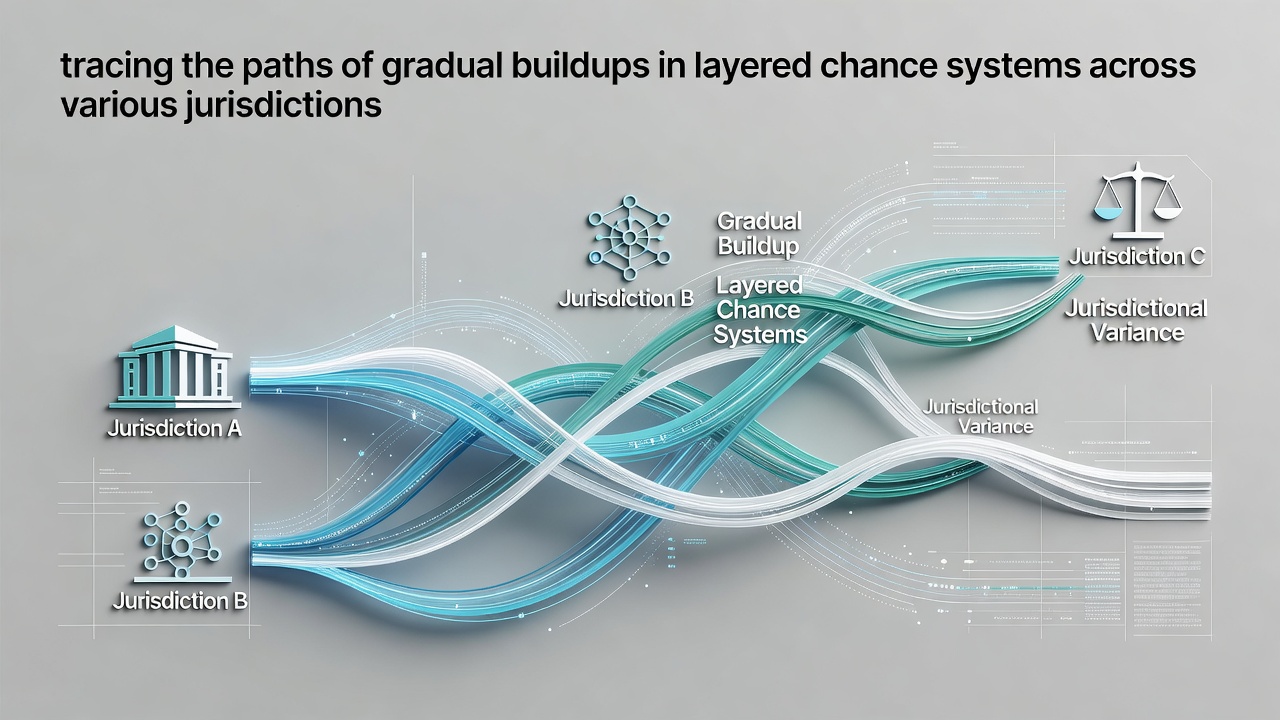
Tracing the paths of gradual buildups in layered chance systems across various jurisdictions
Layered chance systems operate through interconnected pools that accumulate contributions from numerous individual wagers over extended periods, and jurisdictions worldwide have developed distinct frameworks to govern these mechanisms since their introduction in the late twentieth century. Data from multiple regulatory bodies shows that these buildups occur in stages where base game contributions feed into secondary and tertiary prize tiers, creating pathways that span local venues to international networks. Observers note that the process relies on fixed percentage allocations from each bet, which regulators track through centralized reporting systems to ensure transparency and compliance.
North American regulatory frameworks and accumulation patterns
US states such as Nevada and New Jersey established early protocols for progressive systems in the 1980s, and these rules require operators to report incremental increases to oversight agencies on a daily basis. The American Gaming Association compiles figures that reveal how multi-site linkages in tribal and commercial casinos allow smaller contributions to merge into larger pools, often reaching multimillion-dollar levels after thousands of plays. Canadian provinces including Ontario follow similar layered models under the Alcohol and Gaming Commission of Ontario, where video lottery terminals feed into provincial jackpots that build gradually through mandatory contributions from each spin or hand.
August 2026 records indicate steady growth in these North American pools, particularly in hybrid table and slot environments where side bets add secondary layers to the primary accumulation. Those who monitor compliance data find that jurisdictional differences affect the speed of buildups, with some states mandating minimum seed amounts while others allow operators to set initial values based on historical payout frequencies.
European and Asian jurisdictional variations
European markets have adopted centralized monitoring through bodies like the Malta Gaming Authority, which oversees cross-border progressive networks that connect operators across multiple member states. These systems accumulate through standardized contribution rates that vary by game type, and records show that bingo and slot progressives often follow separate paths before merging at higher tiers. In Asia, jurisdictions such as Macau and Singapore enforce strict caps on maximum pool sizes alongside requirements for frequent resets, which creates shorter accumulation cycles compared to Western models.

Researchers tracking these patterns across continents have documented how layered systems in Australia integrate state-based lotteries with casino progressives under unified reporting, allowing gradual contributions from both land-based and digital platforms to converge. The pathways differ notably by region because some areas prioritize player protection limits on single-wager contributions while others focus on minimum distribution intervals to prevent indefinite accumulation.
Technical mechanisms and cross-jurisdictional linkages
Layered chance systems function through software protocols that allocate portions of each wager into distinct tiers, and technical standards require encryption and audit trails that span the contributing venues. Studies from gaming research institutions show that linkages between jurisdictions rely on secure data exchanges which synchronize pool values in real time, enabling players in one location to compete for prizes funded by activity in distant markets. Those who analyze payout histories find that gradual buildups accelerate during peak play periods, with seasonal fluctuations documented in regulatory filings from multiple countries.
Regulatory bodies in different regions impose varying contribution percentages that directly influence the pace of accumulation, and this creates observable differences in how quickly pools reach trigger thresholds. Observers have recorded cases where adjustments to these rates in one jurisdiction prompted operators in connected networks to recalibrate their own allocations to maintain competitive prize levels.
Conclusion
Tracing these paths reveals consistent reliance on percentage-based contributions and centralized oversight that spans local to international scales, with data from August 2026 underscoring ongoing evolution in how jurisdictions manage the layered structures. Patterns emerge from the interplay between technical standards, contribution rules, and cross-border linkages that continue to shape accumulation processes in regulated markets worldwide.