Strategic Layering in Multi-Venue Reward Systems: How Cross-Platform Incentive Chains Produced Sustained Sequences of Table Game and Machine Victories for Dedicated Players
Jonas Frank · Aug 20, 2026
Strategic Layering in Multi-Venue Reward Systems: How Cross-Platform Incentive Chains Produced Sustained Sequences of Table Game and Machine Victories for Dedicated Players
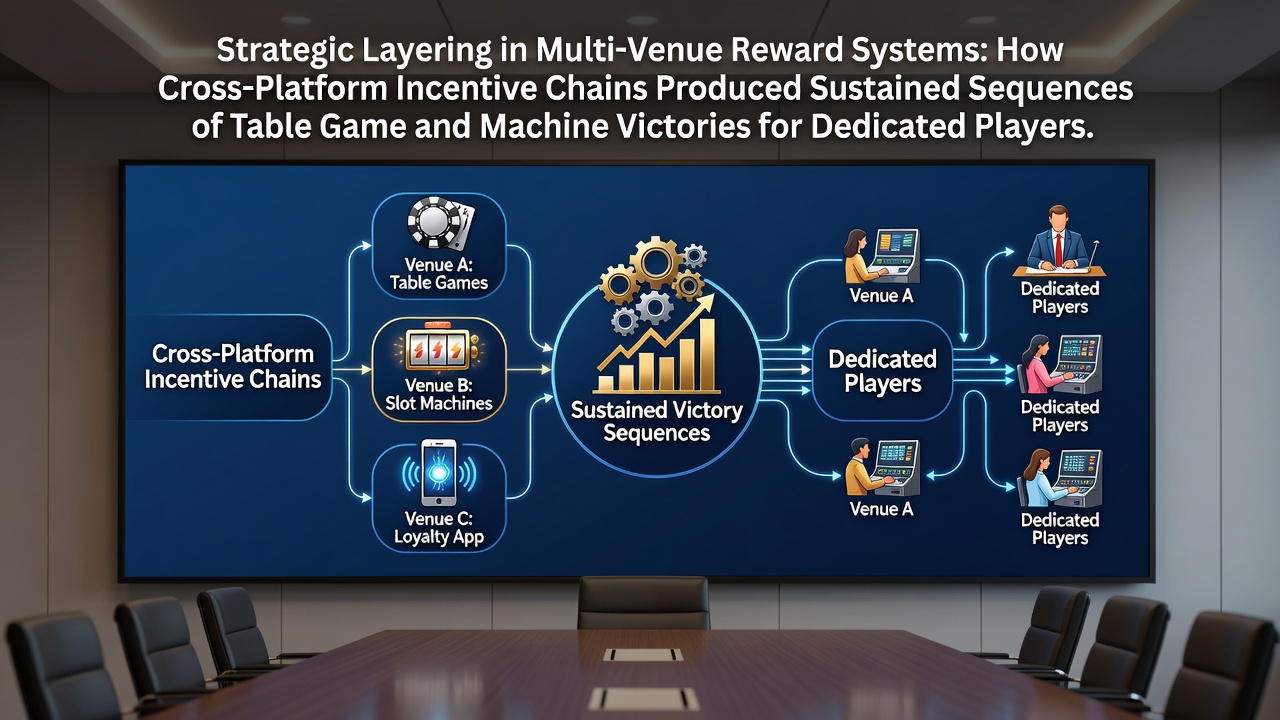
Multi-venue reward systems operate through coordinated loyalty platforms that track player activity across separate casino properties and allow points, comps, and tier benefits to transfer between locations, and dedicated participants combine these elements to extend play sessions on both table games and electronic machines. Data from regulated markets shows that such layering occurs when individuals maintain active accounts at multiple operators while redeeming free play offers, hotel stays, and meal credits earned at one site toward continued activity at another, which in turn generates additional point accumulation and status progression.
Mechanics of Cross-Platform Incentive Chains
Operators structure these chains by linking their proprietary apps and card systems so that tier credits earned through slot play at one venue count toward table game privileges at partner locations, while cashback percentages from baccarat sessions apply as machine credits elsewhere. Researchers tracking participation patterns note that players often schedule visits to coincide with promotional windows advertised across networks, and this coordination produces extended sequences where initial wins on video poker variants fund additional bets on blackjack tables without depleting personal bankrolls. Figures from state regulatory filings reveal consistent growth in multi-property loyalty enrollments through mid-2026, with August reports highlighting increased redemption volumes for cross-venue offers in several North American jurisdictions.
Documented Sequences in Table Games and Machines
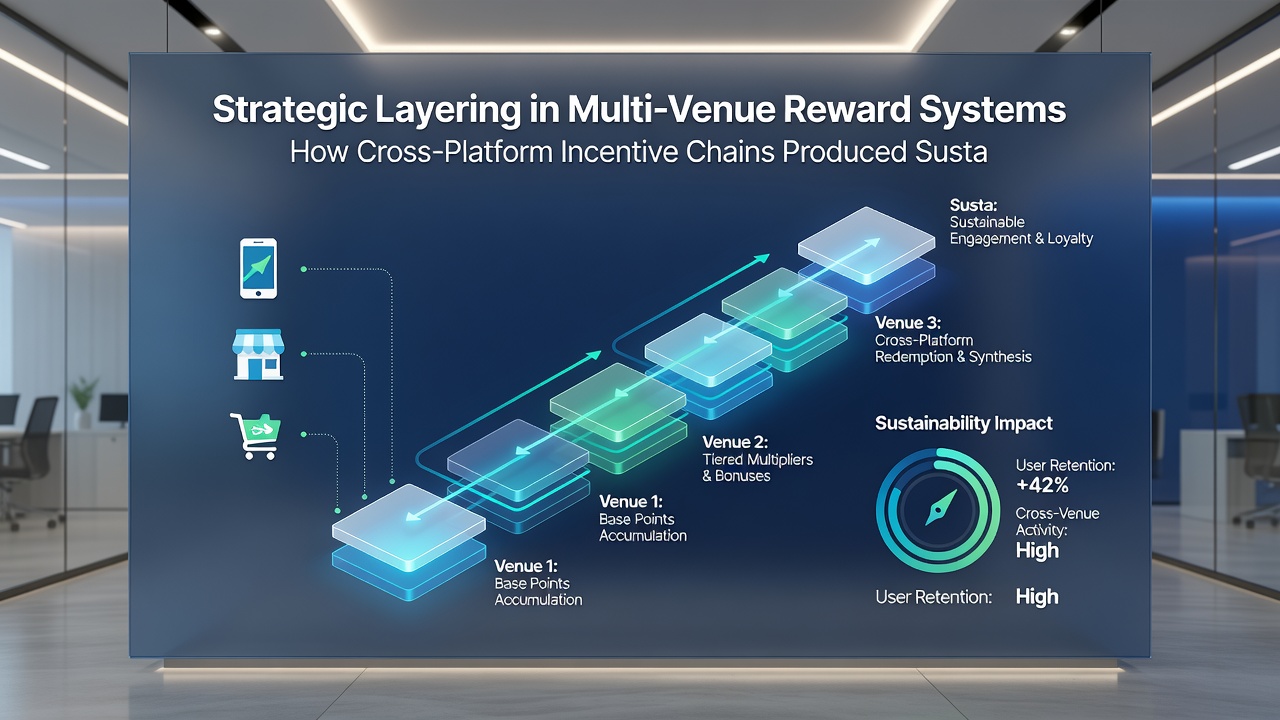
One documented pattern involves participants who accumulate base points from low-denomination slot play at regional properties before transferring status benefits to destination casinos offering higher-limit table games, and this progression allows sustained runs where successive wins on roulette and craps occur alongside machine payouts triggered during the same multi-day itinerary. Evidence collected by industry analysts indicates that incentive layering correlates with longer average session durations, because complimentary room and dining credits reduce out-of-pocket expenses and thereby support continued wagering cycles. Studies conducted in emerging gaming markets have recorded instances where players leveraged combined rewards to maintain play across morning machine sessions and evening table rotations, resulting in reported victory streaks that spanned both categories within single extended visits.
Regulatory data compiled through 2026 demonstrates that cross-platform programs expand reach by integrating mobile notifications with on-site kiosks, enabling participants to monitor point balances and activate targeted bonuses that align with personal game preferences. Observers tracking these systems report that dedicated players frequently combine free-play vouchers from one operator with match-play coupons earned at another, creating layered entry points that extend exposure to variance outcomes across different game types. In August 2026 several regional commissions noted elevated volumes of loyalty redemptions coinciding with promotional calendars that spanned multiple venues, and this timing aligned with measurable upticks in table game drop and machine handle at participating properties.
Regional Variations and Data Patterns
North American markets exhibit distinct layering approaches compared with those in Asia-Pacific regions, where integrated resort groups link casino floors with entertainment complexes so that spend on non-gaming amenities converts into gaming credits usable across properties. According to reports issued by the American Gaming Association, multi-venue programs accounted for a growing share of player retention metrics through the first half of 2026, with particular emphasis on sequences that combined electronic gaming device activity with live dealer outcomes. Canadian provincial data similarly records transfers of loyalty status between urban and rural gaming sites, allowing participants to apply accumulated tier benefits toward machine play or table minimum reductions at different facilities.
Academic examinations of player behavior further illustrate how incentive chains function when operators synchronize expiration dates and earning multipliers, and such synchronization encourages strategic timing of visits that maximizes overlap between promotional periods. Those who monitor regulatory submissions note that August 2026 filings from multiple jurisdictions included detailed breakdowns of cross-property redemptions, revealing sustained participation levels among individuals who maintained active profiles at three or more venues simultaneously. These patterns appear in both high-limit table sections and mass-market slot areas, where layered comps reduce effective cost per spin or hand and thereby support extended sequences of play.
Conclusion
Cross-platform incentive structures continue to evolve through integration of digital tracking tools and physical reward delivery, and available records indicate that dedicated participants who navigate these systems achieve extended engagement periods across table games and machines. Data compiled through August 2026 confirms measurable volumes of point transfers and status alignments that correlate with documented play sequences in regulated environments. Future filings from oversight bodies will provide additional detail on the scale and geographic distribution of these layered approaches.