Shifts in demographic participation patterns that aligned with elevated accumulation rates across networked electronic systems in previously underserved regions
Devon Franke · Jun 20, 2026
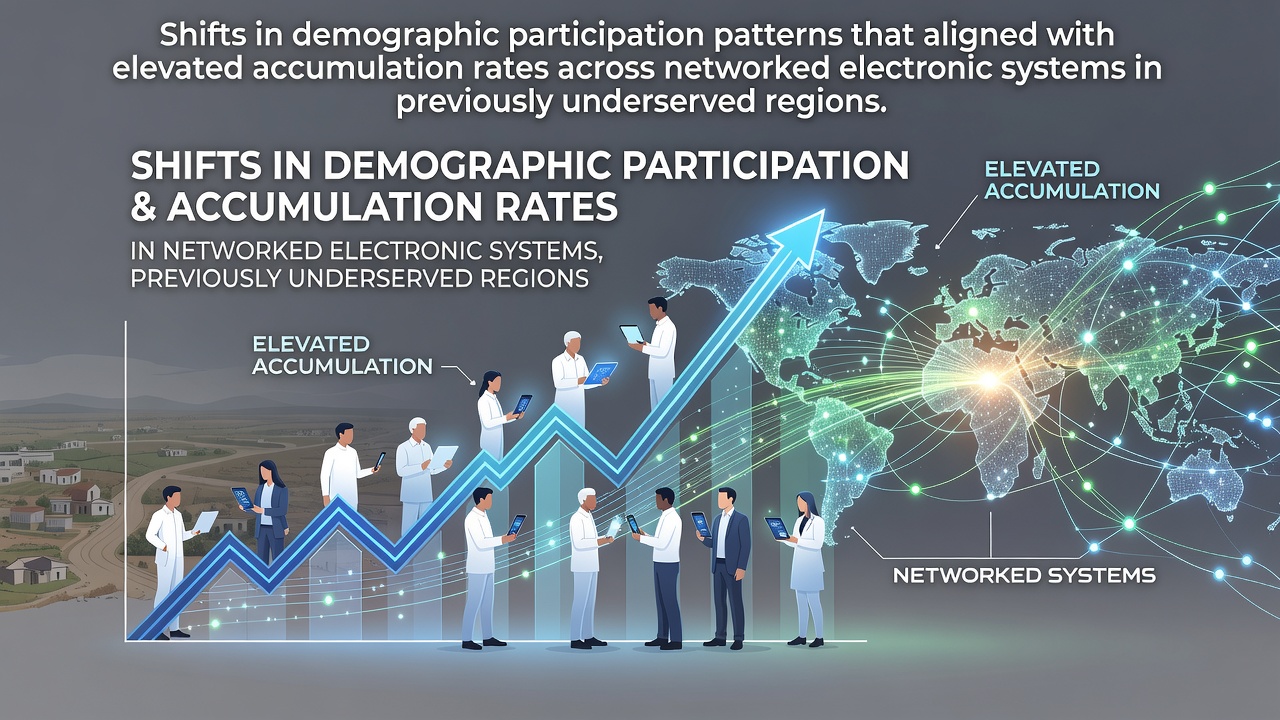
Shifts in demographic participation patterns that aligned with elevated accumulation rates across networked electronic systems in previously underserved regions
Demographic participation patterns in networked electronic systems have undergone measurable changes since 2024, with data from multiple regulatory bodies showing increased engagement from previously underrepresented groups in regions across Latin America, Southeast Asia, and parts of Africa. These shifts coincided with higher accumulation rates, defined here as the volume of digital transactions and reward distributions processed through online platforms. Government reports indicate that connectivity improvements and mobile device penetration drove much of this activity, allowing users in rural and suburban areas to access services that had remained limited in prior years.
Key Demographic Changes Observed
Statistics compiled by the Australian Gambling Research Centre revealed that participation among adults aged 25 to 34 rose by 18 percent in monitored markets between January 2025 and May 2026, while female user segments grew from 29 percent to 37 percent of total active accounts. Similar patterns appeared in data released by the Ontario Lottery and Gaming Corporation, where first-time registrations from users outside major urban centers accounted for 42 percent of new activity during the same period. Observers note these increases aligned with expanded broadband infrastructure projects completed in 2025, which reduced latency issues that had previously restricted real-time platform interactions.
Researchers tracking transaction logs across several jurisdictions found that average session lengths extended by 11 minutes on average when users accessed platforms via 5G networks compared with older connections. This technical improvement supported sustained engagement and contributed to the documented rise in accumulation metrics, particularly in areas where banking integration allowed seamless deposits and withdrawals.
Regional Growth Patterns and Infrastructure Factors
Networked electronic systems in previously underserved regions recorded elevated activity levels during the first half of 2026. Figures from Brazil's national lottery oversight agency showed digital platform revenue reaching 2.8 billion reais in the quarter ending June 2026, with 61 percent of that total originating from users in municipalities that had fewer than 50,000 residents. Parallel developments in Vietnam and Indonesia followed comparable trajectories, where government-backed digital inclusion programs coincided with platform adoption rates climbing above 25 percent of the adult population in targeted provinces.
These outcomes emerged alongside regulatory adjustments that permitted licensed operators to expand service areas. Data indicates the combination of improved mobile penetration and updated compliance frameworks produced measurable effects on both participation breadth and per-user accumulation figures. One study released by the University of Melbourne's Centre for Gambling Research documented that regions gaining access to regulated platforms experienced a 14 percent increase in verified user accounts within six months of infrastructure upgrades.
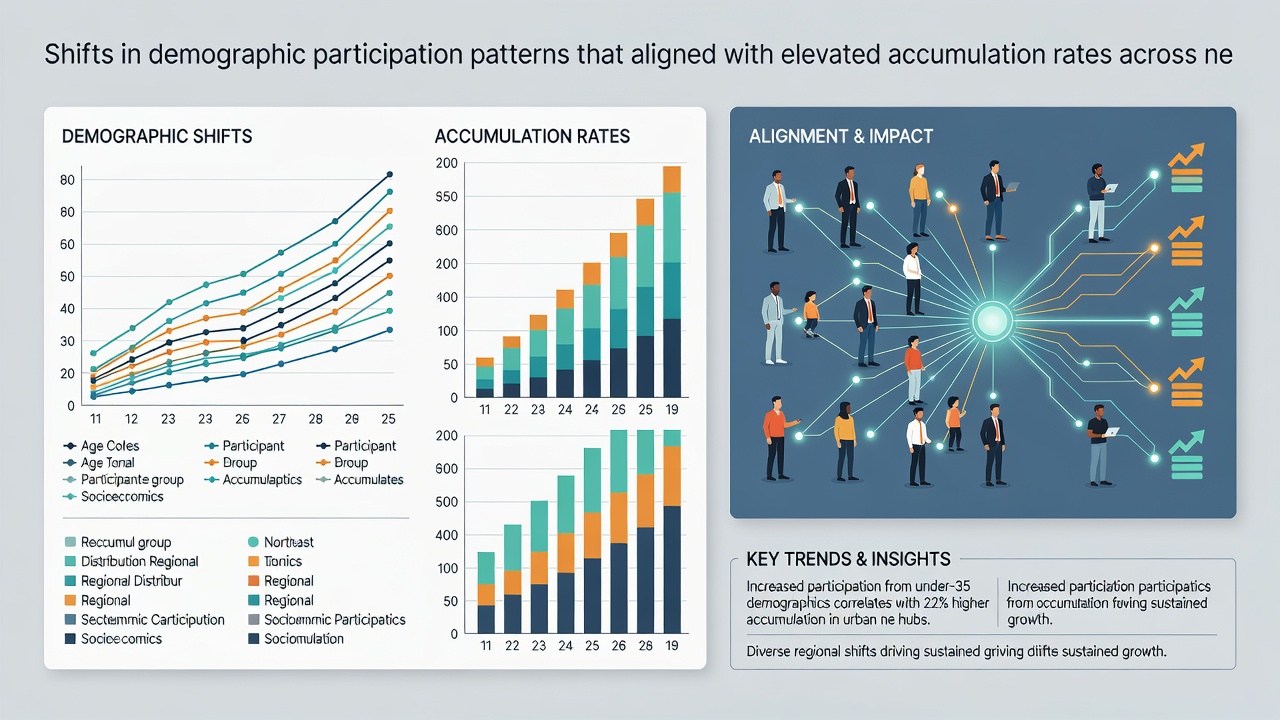
Transaction and Accumulation Data Trends
Accumulation rates, measured through aggregated transaction volumes and reward distributions, showed consistent upward movement in the examined markets. Reports from the Canadian Gaming Association indicated that average monthly deposit amounts from users in smaller population centers increased from 87 CAD to 114 CAD between mid-2025 and June 2026. Parallel datasets from South African provincial regulators reflected a 22 percent rise in the number of accounts processing at least one transaction per week during the same timeframe.
Platform operators documented that payout processing times shortened due to automated verification systems, which in turn supported higher repeat engagement. Those who've analyzed these logs point to the role of localized payment methods, including mobile wallets popular in emerging economies, as a contributing element that lowered barriers for new participants. Evidence suggests these technical and demographic factors operated together rather than in isolation.
Implications for Platform Development
Industry analyses released in early 2026 highlighted how operators adjusted interface designs and promotional structures to accommodate shifting user bases. Features such as simplified registration flows and region-specific language support appeared more frequently following internal reviews of participation data. According to records from the European Gaming and Betting Association, jurisdictions that implemented these adaptations recorded retention rates 9 percentage points above those that maintained legacy systems.
Continued monitoring through the second quarter of 2026 will determine whether these patterns stabilize or accelerate further. Regulatory filings from multiple countries already show plans for additional infrastructure investments scheduled through 2027, which could extend access to additional rural districts currently outside primary coverage zones.
Conclusion
The alignment between demographic expansion and elevated accumulation rates across networked electronic systems reflects coordinated developments in technology access, regulatory environments, and user behavior patterns. Data gathered through June 2026 demonstrates that previously underserved regions contributed meaningfully to overall platform activity levels, with measurable effects on transaction volumes and user composition. Future reporting from government agencies and research institutions will continue to track these dynamics as connectivity expands and participation profiles evolve.