Regional Venue Layouts That Shaped Unexpected Success Patterns in Hybrid Table Games Across Emerging Markets
Dana Schulz · Jun 4, 2026
Regional Venue Layouts That Shaped Unexpected Success Patterns in Hybrid Table Games Across Emerging Markets
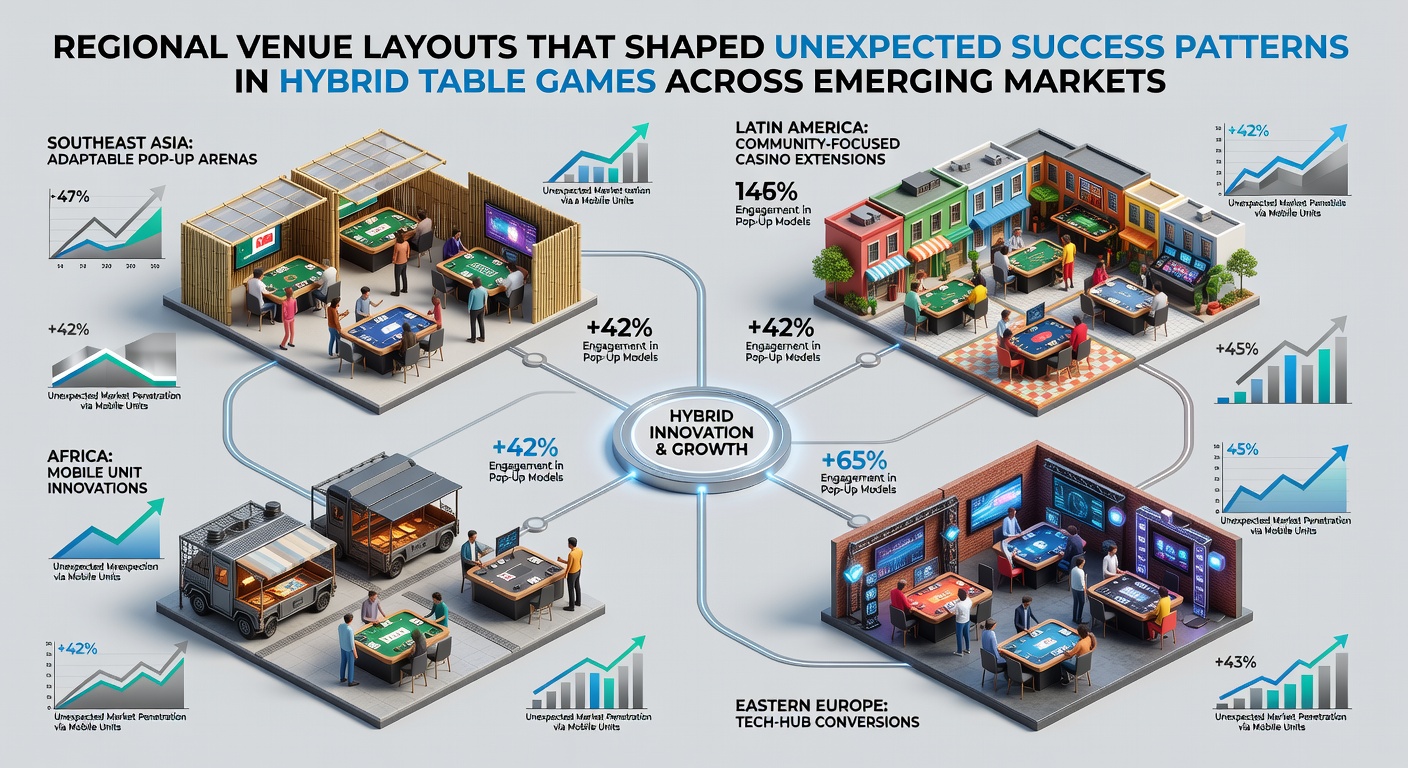
Regional venue layouts have played a central role in driving unexpected success patterns for hybrid table games in emerging markets, where combinations of traditional table elements with electronic features create new player engagement dynamics. Data from multiple jurisdictions shows that floor plans emphasizing sightlines, traffic flow, and clustered gaming zones correlate with higher participation rates in games that blend live dealer interactions with digital interfaces. Observers note that these configurations often produce revenue streams exceeding initial projections in locations such as Southeast Asia and Latin America.
Defining Hybrid Table Games and Their Growth Context
Hybrid table games merge classic card or dice mechanics with technology like electronic betting terminals or multi-game terminals, allowing simultaneous play across variants such as baccarat-poker fusions or blackjack with progressive side elements. Research indicates these formats gained traction in emerging markets during the mid-2020s as operators sought to diversify offerings beyond standard slot machines. According to industry reports, adoption rates climbed steadily in regions where regulatory frameworks permitted limited electronic integration at physical tables.
Success patterns emerged when venues positioned these games in central areas rather than isolated corners, creating natural gathering points that encouraged extended play sessions. Figures reveal that average session durations increased by measurable margins in facilities with open layouts compared to those with segmented rooms.
Layout Elements Driving Performance Variations
Key layout factors include proximity to entrances, integration with food and beverage stations, and use of curved pathways that guide movement toward hybrid stations. Studies found that venues incorporating semi-circular table clusters experienced elevated crossover play, where participants moved between hybrid variants without leaving the immediate area. This setup reduces friction in player decision-making while maintaining visibility for dealers and supervisors.
What's interesting is how lighting zones and acoustic treatments further influence outcomes. Data shows softer illumination around hybrid tables paired with background sound masking leads to sustained focus, whereas brighter general lighting correlates with quicker turnover. Emerging market operators adjusted these variables based on local preferences, resulting in differentiated success rates across similar game offerings.
Case Examples from Key Emerging Regions
In the Philippines, several integrated resorts implemented radial floor designs that positioned hybrid tables near high-traffic walkways connecting hotel lobbies to entertainment zones. Revenue tracking from these sites demonstrated consistent outperformance of projections for electronic-live hybrid formats during 2025 and into 2026. Similar patterns appeared in Brazilian facilities, where linear arrangements with interspersed lounge seating supported longer dwell times at mixed poker-blackjack stations.
One study revealed that South African venues adopting modular layouts, allowing seasonal reconfiguration of hybrid zones, recorded notable upticks in repeat visitation metrics. Observers note these adaptations responded to fluctuating tourist flows while accommodating domestic player habits. June 2026 data from regional monitoring bodies indicated continued momentum in these markets, with hybrid game contributions rising relative to pure electronic or traditional table segments.
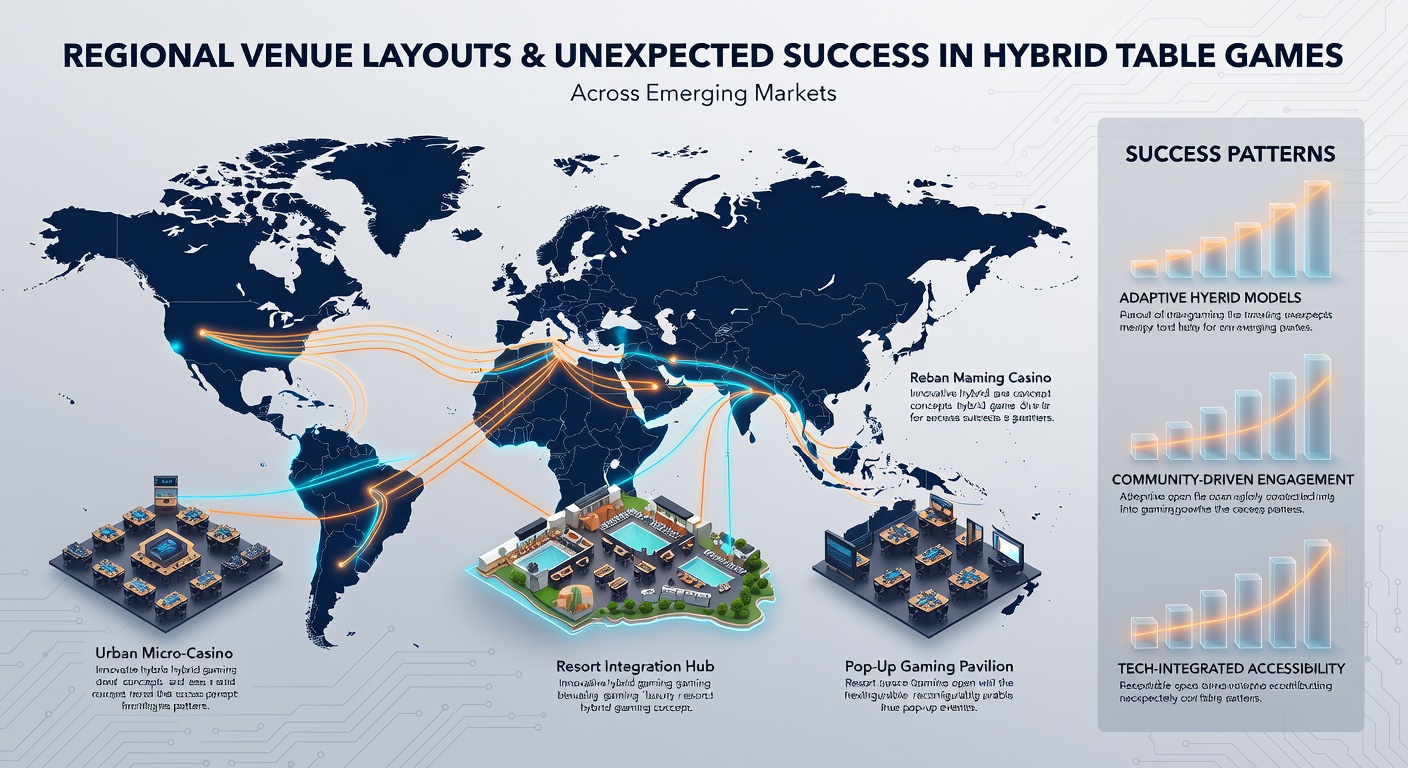
Additional examples from Eastern European facilities highlight how elevated viewing platforms overlooking hybrid clusters boosted social proof effects, drawing in spectators who later converted to active players. These platforms, integrated into teh overall venue circulation, produced engagement spikes that standard perimeter placements had not achieved.
Measurement of Unexpected Patterns and Supporting Data
Performance metrics across these venues rely on metrics such as table utilization rates, average bet progression, and game-switching frequency. Research from academic sources tracking emerging market operations shows that layout-driven clustering accounts for measurable portions of variance in these indicators, independent of marketing spend or promotional calendars. Asia Pacific Gaming Research reports document parallel trends in multiple jurisdictions, underscoring layout as a consistent variable.
Turns out that regulatory filings from Canadian provincial authorities on cross-border operator practices also reference layout considerations when evaluating expansion proposals into new markets. These documents emphasize traffic modeling as a factor in projected tax contributions from hybrid offerings. Such cross-regional comparisons help isolate layout impacts from broader economic influences.
Conclusion
Regional venue layouts continue to shape success patterns for hybrid table games in emerging markets through deliberate placement, flow management, and environmental tuning. Evidence from operational data across multiple continents demonstrates that thoughtful configurations yield participation and revenue outcomes beyond baseline expectations. As markets mature, operators reference these established patterns when planning expansions or renovations, maintaining focus on measurable spatial influences rather than game content alone. Ongoing monitoring in 2026 reinforces the value of these layout strategies in sustaining growth trajectories.