Quiet Corners and Cornered Fortunes: Spatial Factors in Slot Machine Selection Among Consistent Winners
Petra Weber · Aug 27, 2026
Quiet Corners and Cornered Fortunes: Spatial Factors in Slot Machine Selection Among Consistent Winners
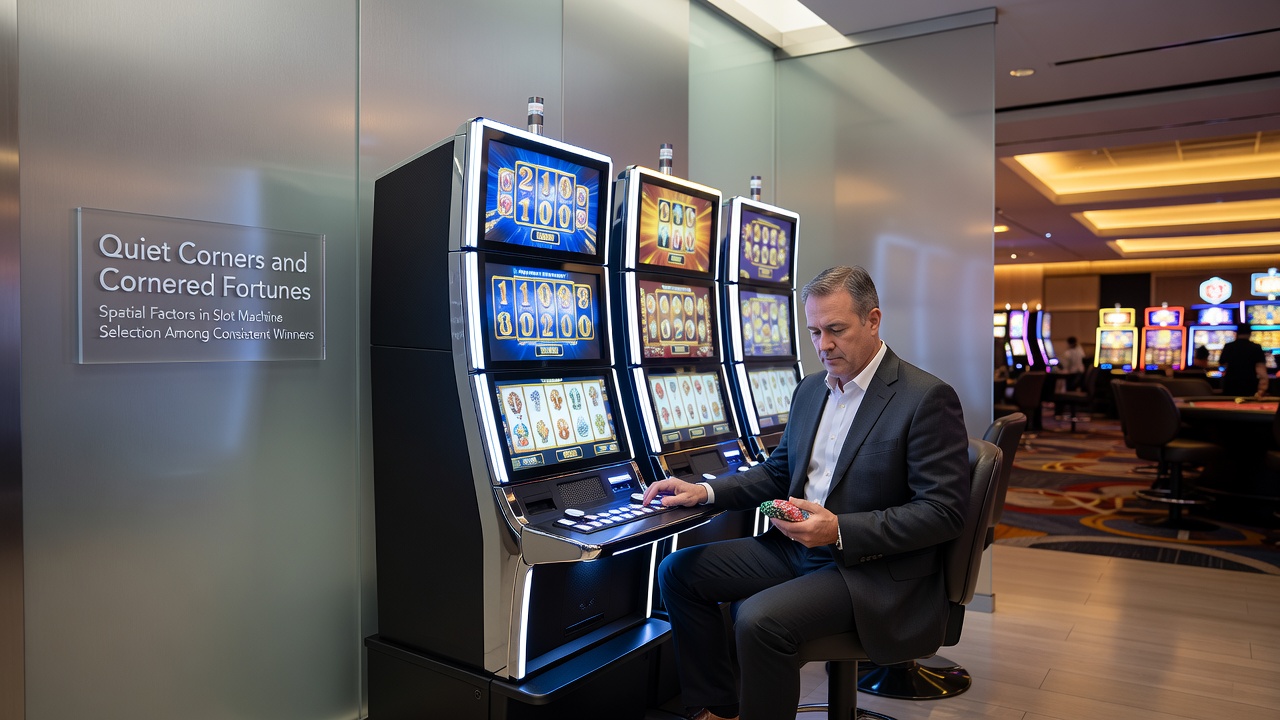
Slot machine placement within casino environments influences player selection patterns in measurable ways according to observational data collected across multiple jurisdictions. Researchers tracking consistent winners note that these individuals frequently gravitate toward machines situated in less trafficked zones rather than those clustered near high-traffic entrances or central aisles. Data from gaming floor analytics in August 2026 indicates that end-bank positions and recessed alcoves account for a disproportionate share of sustained play sessions among players who report regular returns over extended periods.
Positioning Patterns in Regulated Venues
Studies compiled by the Nevada Gaming Control Board reveal spatial preferences that extend beyond random choice. Machines positioned at the terminus of row configurations experience higher occupancy rates among repeat visitors who maintain detailed records of their sessions. These locations offer reduced visual and auditory interference from surrounding activity while still remaining accessible to floor staff. Observers note that winners who document their habits over multiple visits often cite the reduced competition for machine access as a contributing factor in their selection process.
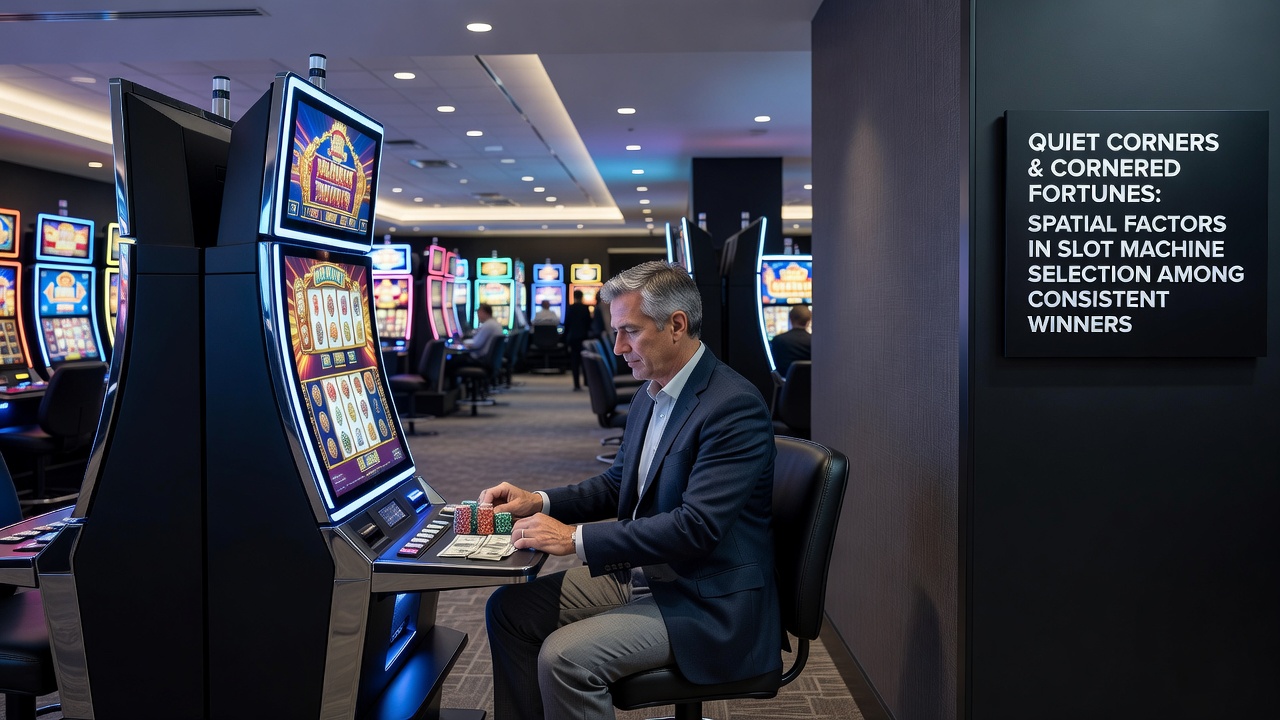
Corner placements create natural buffers from adjacent players and this separation appears in aggregated play data as correlating with longer average session durations. Gaming analysts reviewing August 2026 figures across properties in several states found that recessed machines in these positions logged greater total coin-in volumes per unit compared to mid-row equivalents during comparable timeframes. The pattern holds across both older mechanical-style cabinets and newer video terminals equipped with similar payout structures.
Environmental Variables and Selection Data
Lighting gradients and sound attenuation play documented roles in where experienced players position themselves. Facilities equipped with zoned illumination often see consistent winners cluster in areas where ambient noise drops below the average decibel level recorded in central gaming pits. Canadian regulatory summaries from provincial gaming commissions align with these observations and indicate similar clustering behaviors among players tracked through loyalty program metrics. Such positioning reduces external stimuli that might otherwise interrupt concentration during extended play sequences.
Traffic flow mapping conducted at multiple properties demonstrates that aisles with higher pedestrian volume correlate with shorter individual session lengths even among skilled participants. Those who review their own historical data frequently identify machines shielded by pillars or partial walls as locations where they achieve more stable engagement metrics. This spatial preference emerges repeatedly in reports submitted to industry research groups focused on player behavior modeling.
Comparative Analysis Across Markets
Regional variations appear when comparing North American properties with those operating under Australian gaming frameworks. Reports from state gaming authorities in New South Wales document parallel tendencies toward peripheral machine selection among players maintaining positive long-term return profiles. The consistency across regulatory environments suggests that spatial factors operate independently of specific game themes or volatility settings. Analysts cross-referencing these datasets emphasize that machine denomination and paytable structure remain secondary to positional attributes in predictive models of sustained winner behavior.
Facility renovations completed in mid-2026 at several integrated resorts further illustrate the point. Properties that relocated select banks of machines into newly configured quiet zones recorded measurable shifts in player distribution within weeks of the changes. Tracking through player card systems showed increased repeat visitation to those specific areas without corresponding increases in overall casino attendance. Such outcomes align with earlier findings from academic studies on environmental psychology applied to gaming spaces.
Conclusion
Spatial characteristics of slot machine placement continue to factor into documented selection strategies employed by consistent winners across regulated markets. Data collected through August 2026 reinforces earlier observations that corner and recessed positions attract disproportionate attention from players who maintain records of extended positive outcomes. These patterns reflect measurable environmental influences rather than isolated preference and they appear consistently in reports issued by gaming control authorities in multiple jurisdictions. Further analysis of floor layout modifications will likely refine understanding of how position interacts with other variables in player decision frameworks.