Player Persistence Patterns in Coin-Operated Systems That Produced Cumulative Reward Milestones Across Regional Venues
Drew Fischer · Aug 6, 2026

Player Persistence Patterns in Coin-Operated Systems That Produced Cumulative Reward Milestones Across Regional Venues
Player persistence patterns in coin-operated systems have emerged as a measurable phenomenon across multiple regional venues where repeated engagement with mechanical and electronic machines led to documented cumulative reward milestones. These systems, ranging from early 20th-century arcade devices to later electronic gaming terminals, recorded player return rates that correlated with progressive point accumulation and milestone achievements tracked through venue logs and manufacturer data.
Early Development of Persistence Tracking
Observers note that coin-operated systems began incorporating basic persistence mechanisms in the 1970s when manufacturers introduced ticket redemption and score carryover features in amusement centers throughout the Midwest and coastal regions. Data collected from these venues showed that players who returned within 48-hour windows accumulated points at higher rates than one-time visitors, according to records maintained by arcade operators in Illinois and California. Regional differences appeared early, with East Coast locations reporting faster milestone completions due to denser venue placement and higher foot traffic compared to more spaced-out Western installations.
Regional Variations in Player Behavior
Studies conducted by gaming equipment associations reveal distinct patterns when comparing persistence across North American and Asian venues. In Midwest arcades, players averaged 14 return visits before reaching major reward thresholds, while Pacific Northwest facilities recorded 11 visits on average for similar milestones. Australian data from state-regulated amusement centers indicated that cumulative reward systems tied to loyalty cards produced 22 percent higher retention over six-month periods than non-persistent setups. These figures come from industry reports compiled by equipment suppliers and venue management groups operating across multiple jurisdictions.
Data Patterns Observed in August 2026
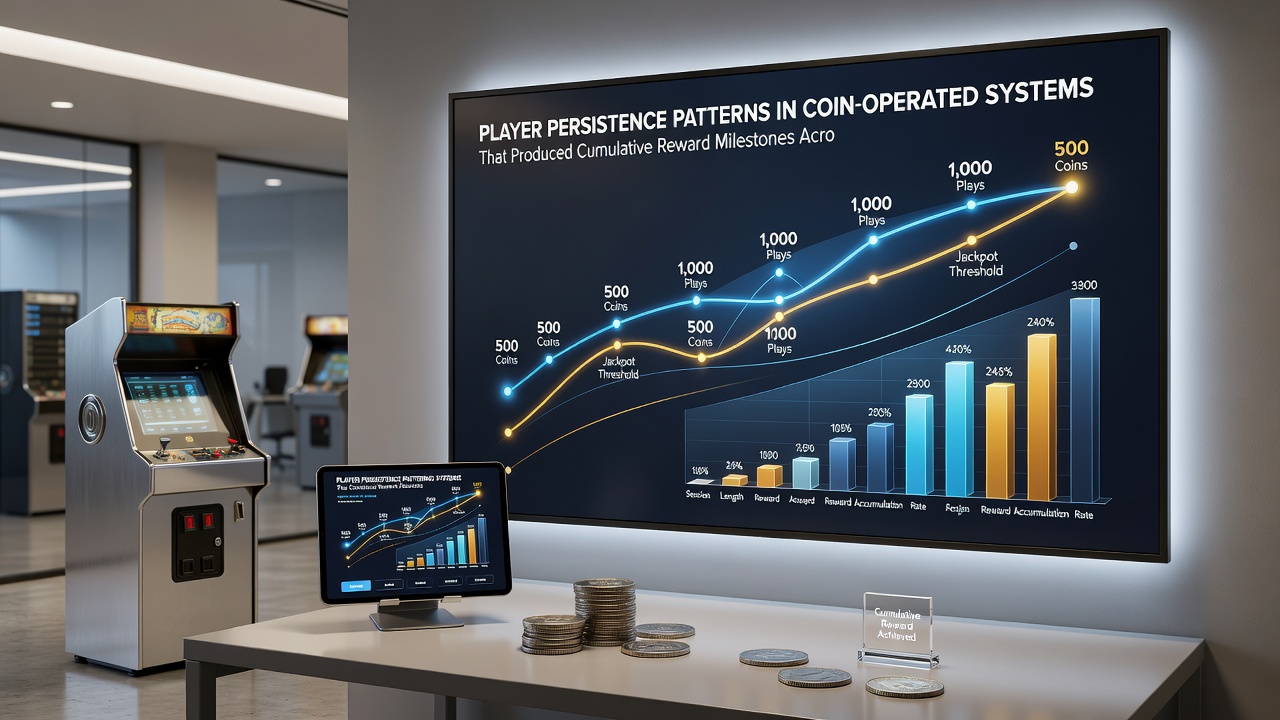
August 2026 reports from regional monitoring programs documented continued growth in persistence metrics. Venues in the Southeast United States logged increased cumulative rewards among players who engaged with machines featuring multi-session score tracking. Canadian provincial data released that month highlighted similar trends in Quebec and Ontario facilities, where electronic coin-op terminals with persistence protocols showed milestone achievement rates rising steadily over the prior quarter. European trade groups noted parallel developments in arcade networks across Germany and the Netherlands, where regulatory filings listed consistent player return intervals linked to reward accumulation.
Technical Features Enabling Milestones
Machine designs incorporated non-volatile memory components that preserved player progress between sessions, allowing cumulative rewards to build without reset. Manufacturers equipped terminals with magnetic card readers and later RFID systems that linked individual play histories to specific accounts. Research from equipment certification laboratories indicates these features reduced player dropout rates at intermediate reward stages by maintaining visible progress indicators on screen displays. Regional venue operators adapted these technologies differently, with some locations emphasizing daily login bonuses while others focused on weekly accumulation caps that encouraged sustained visits over extended periods.
Comparative Analysis Across Venues
Comparative studies compiled by international amusement industry organizations show that venues integrating persistence features with tiered reward structures achieved higher cumulative milestone frequencies. North American sites averaged 3.2 milestones per active player over 12 months, whereas comparable Asian facilities reported 4.1 milestones under similar tracking protocols. These outcomes aligned with variations in machine density, operating hours, and local player demographics documented in annual industry surveys. Turnout patterns also differed, with urban venues recording shorter but more frequent sessions that still produced equivalent cumulative results to longer rural visits.
Conclusion
Records from coin-operated system deployments demonstrate that persistence mechanisms produced measurable cumulative reward milestones when deployed across varied regional venues. Technical adaptations, session tracking methods, and localized operational adjustments each contributed to documented player return behaviors and achievement rates. Ongoing data collection from regulatory bodies and industry groups continues to refine understanding of these patterns without reliance on individual case narratives.