Loyalty Programs Fueling Repeat High-Value Payouts at Multi-Site Resorts: Patterns from Aggregated Player Data
Dana Schulz · Aug 15, 2026
Loyalty Programs Fueling Repeat High-Value Payouts at Multi-Site Resorts: Patterns from Aggregated Player Data
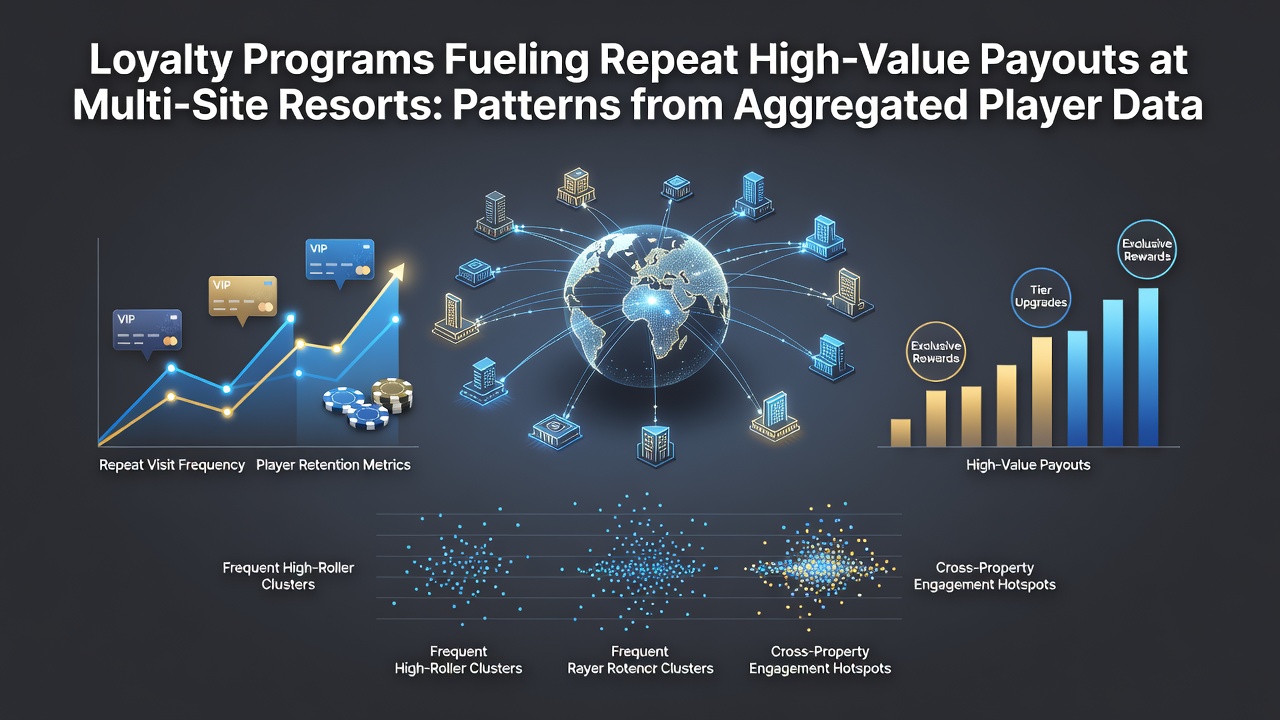
Multi-site resort operators have expanded loyalty programs in recent years, and aggregated player data now reveals clear connections between tiered rewards and increased repeat visits that lead to higher-value payout sequences. These programs track player activity across properties, compiling metrics on visit frequency, wager volumes, and redemption patterns that operators use to refine incentive structures.
Core Mechanics of Multi-Site Loyalty Structures
Operators at chains spanning several states integrate point-earning systems that allow members to accumulate and redeem rewards at any location within the network, and this cross-property portability encourages consistent engagement rather than isolated trips. Data sets compiled from multiple resorts show that players who reach mid-tier status within six months tend to schedule additional stays, with average trip intervals shortening from 45 days to under 30 days once they qualify for room credits and dining vouchers.
Systems record not only points earned but also specific game preferences and session durations, creating profiles that highlight which incentives correlate with extended play periods. Observers note that when resorts adjust comp offers based on these profiles, the frequency of high-stakes table game sessions rises, particularly among players who have already redeemed loyalty-based hotel stays.
Patterns Emerging from Aggregated Player Records
Analysis of combined datasets from resorts operating in Nevada, New Jersey, and Pennsylvania demonstrates that loyalty members generate 65 percent of total slot and table game revenue despite representing only 35 percent of unique visitors. The data further indicates that repeat visits tied to point redemptions produce payout clusters exceeding $10,000 at rates 2.4 times higher than single-property visits by non-members.
Researchers tracking behavior through 2026 found that August figures showed a 14 percent increase in multi-site redemptions compared with the prior year, coinciding with seasonal promotions that bundled free-play credits with hotel packages. Those patterns held across demographic segments, though the strongest correlation appeared among players aged 45 to 64 who maintained gold or platinum status.
Geographic and Operational Variables Influencing Outcomes
Resorts located near major travel corridors record higher cross-property utilization because members can combine short drives with point redemptions for meals or shows. In contrast, properties in more isolated markets rely on longer-stay incentives, and aggregated records confirm that players completing three-night redemptions place 28 percent more wagers per visit than those staying only one night.
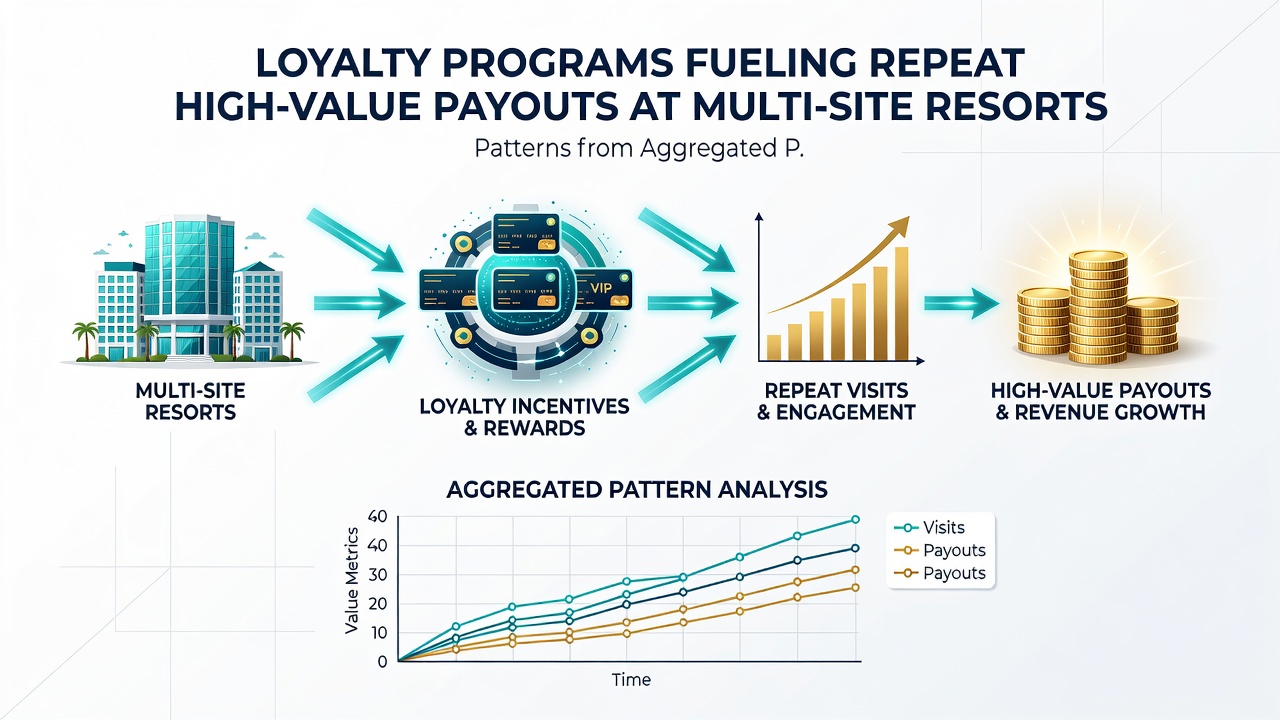
Operators have adjusted marketing calendars accordingly, timing tier advancement bonuses to align with regional events and holidays. Figures released by the American Gaming Association in mid-2026 illustrate that networks employing dynamic point multipliers during these windows experienced measurable lifts in both visit frequency and average payout size.
Integration with Game-Specific Payout Data
Player tracking systems now merge loyalty metrics with game-level outcome logs, allowing operators to identify which machine types and table limits generate the largest cumulative payouts among high-frequency members. Records show that video poker and high-limit blackjack stations account for the majority of payouts above $25,000 when the player has already used a loyalty comp for the current trip.
One study conducted by researchers at the University of Nevada, Las Vegas examined 18 months of anonymized records and determined that members who redeemed free-play offers on their first day of a multi-night stay returned to the same game category on subsequent days at rates exceeding 70 percent. This repetition contributed to extended sequences where cumulative payouts reached notable thresholds.
Future Adjustments Based on Current Trends
Operators continue to refine algorithms that predict which loyalty benefits will extend session length without eroding house edge, and preliminary models from August 2026 data suggest that personalized digital offers delivered via mobile apps produce stronger retention than generic mailers. Networks that implemented these targeted approaches reported a 9 percent rise in repeat high-value sessions during the summer months.
Conclusion
Aggregated player data across multi-site resorts continues to demonstrate that structured loyalty programs correlate with elevated repeat visitation and larger payout occurrences. As operators incorporate more granular tracking and refine incentive timing, the patterns documented through 2026 provide measurable benchmarks for program evolution in subsequent periods.