Lighting Designs and Their Unexpected Role in Facilitating Prolonged Table Game Engagements Worldwide
Petra Weber · Aug 11, 2026
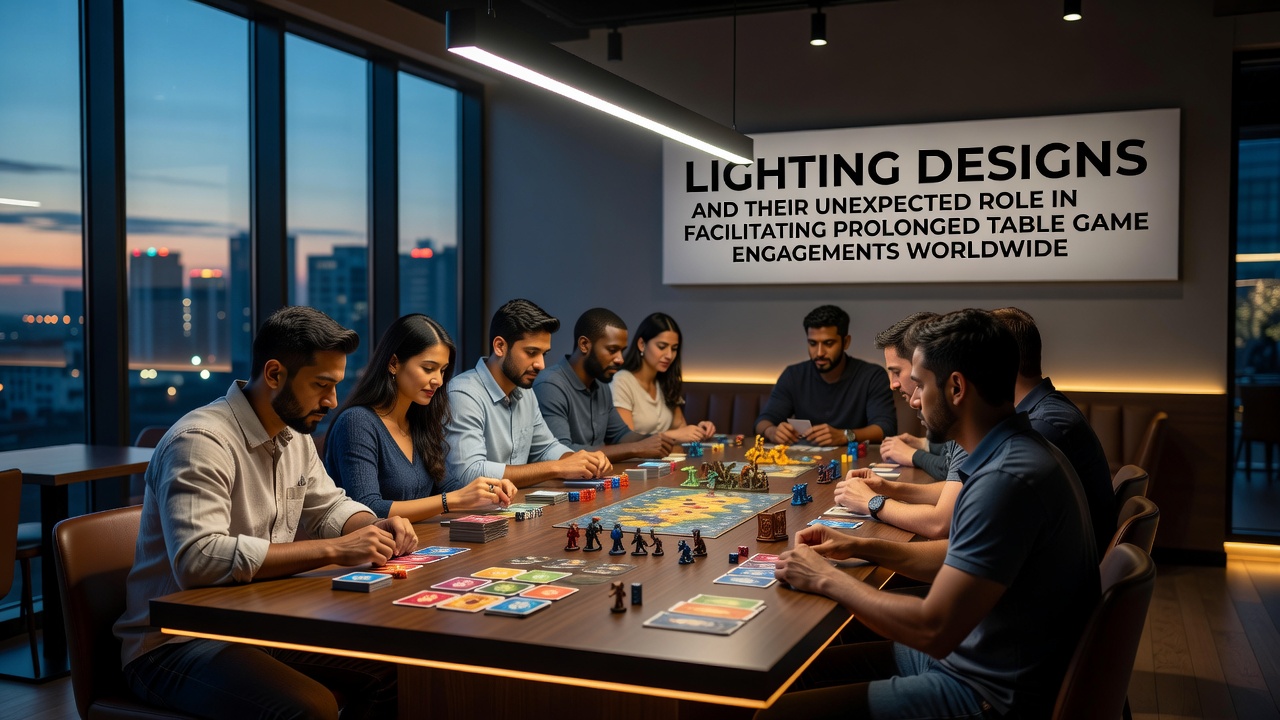
Lighting Designs and Their Unexpected Role in Facilitating Prolonged Table Game Engagements Worldwide
Lighting designs in gaming venues have evolved from basic overhead fixtures to sophisticated systems that integrate color temperature, intensity zoning, and circadian considerations, with data from multiple jurisdictions showing measurable effects on player dwell times at table games. Facilities in Las Vegas, Macau, and regional markets across North America and Asia have adopted these approaches over the past decade, according to industry reports from the American Gaming Association.
Table game areas typically feature a combination of direct task lighting over felt surfaces and softer perimeter illumination that reduces eye strain during extended sessions. Researchers at hospitality design programs have documented how specific Kelvin ranges between 2700K and 3000K correlate with longer average play durations in controlled venue trials, while cooler tones above 4000K tend to accelerate turnover at stations like craps and baccarat.
Technical Components of Modern Gaming Lighting Systems
LED arrays now dominate new installations because they allow precise dimming curves and color rendering indexes above 90, which preserves the visual clarity of card faces and chip denominations without creating harsh shadows. Venues coordinate these systems with HVAC and acoustic controls so that lighting shifts gradually rather than abruptly, maintaining consistent player focus across peak and off-peak hours.
Smart controls tied to occupancy sensors adjust output in real time, and data logs from several large properties indicate that such adaptive lighting extends average engagement windows at table games by measurable percentages compared with static setups. In August 2026 operators in multiple markets continued rolling out upgraded fixtures that incorporate tunable white technology, allowing staff to fine-tune atmospheres based on game type and time of day.
Regional Implementation Patterns
North American properties have leaned toward layered schemes that highlight individual tables while keeping surrounding walkways at lower luminance levels, whereas Asian integrated resorts often employ dramatic ceiling coves and color accents that reinforce brand themes. Both approaches draw from environmental psychology studies linking visual comfort to sustained attention, with figures from Australian gaming regulators showing parallel trends in table game revenue per seat when lighting upgrades coincide with layout refreshes.
One documented case involved a mid-sized Canadian facility that replaced fluorescent tubes with zoned LEDs around its poker and blackjack pits, after which internal metrics recorded increased session lengths during evening hours. Similar patterns appear in European markets where regulatory bodies track player behavior alongside energy consumption, confirming that refined lighting contributes to operational efficiency without direct mandates on dwell time.
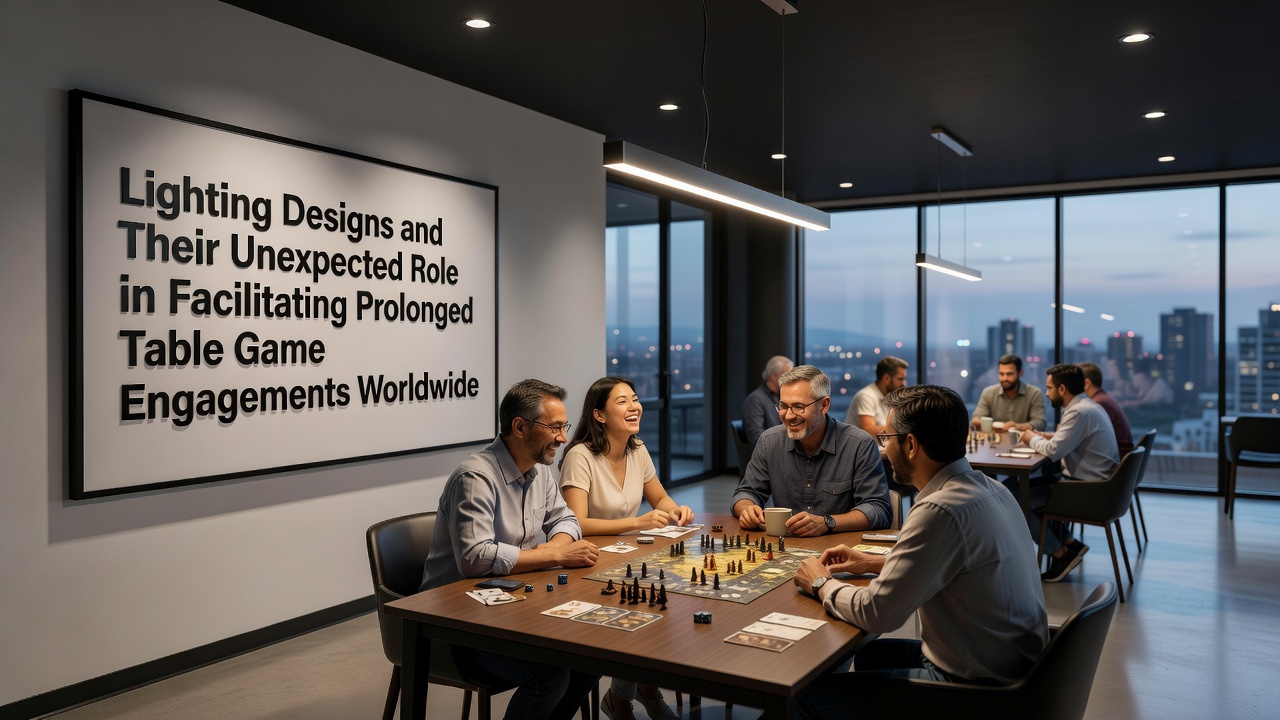
Cross-border comparisons reveal that properties investing in circadian-aware lighting report steadier foot traffic patterns throughout the night, because reduced melatonin suppression helps players maintain alertness longer. Reports compiled by the Asia Pacific Gaming Association highlight how Macau operators have integrated these principles into multi-level table game floors, pairing them with wayfinding elements that guide movement without visual fatigue.
Data Correlations and Measurement Approaches
Independent audits of play duration often pair lighting specifications with RFID chip tracking or camera analytics, producing datasets that separate lighting effects from variables such as game rules or promotional calendars. Evidence from university-affiliated hospitality labs indicates statistically significant extensions in table game participation when contrast ratios between playing surfaces and backgrounds stay within defined parameters.
Facilities that publish sustainability updates note that LED retrofits simultaneously lower energy costs and support longer engagement windows, creating operational overlap between environmental goals and revenue metrics. Observers note that these dual benefits appear consistently across climates, from desert properties in Nevada to coastal venues in Australia.
Future Directions in Gaming Illumination
Emerging prototypes incorporate biometric feedback loops that could adjust lighting based on aggregated player movement data, though widespread deployment remains in pilot stages as of mid-2026. Trade groups continue to host workshops on these systems, emphasizing compliance with local energy codes while preserving the atmospheric qualities that support extended table game activity.
Global supply chains for specialty fixtures have stabilized since earlier disruptions, enabling more venues to standardize on modular systems that accommodate future software updates. Figures released by gaming technology conferences show rising adoption rates for tunable lighting in both new builds and renovations scheduled through 2027.
Conclusion
Lighting design now functions as a measurable component of table game environments worldwide, with documented correlations to session length appearing across diverse regulatory and cultural contexts. Continued refinement of LED controls, color science, and integration with venue analytics supports ongoing adjustments that align operational data with player behavior patterns in markets from North America to Asia.